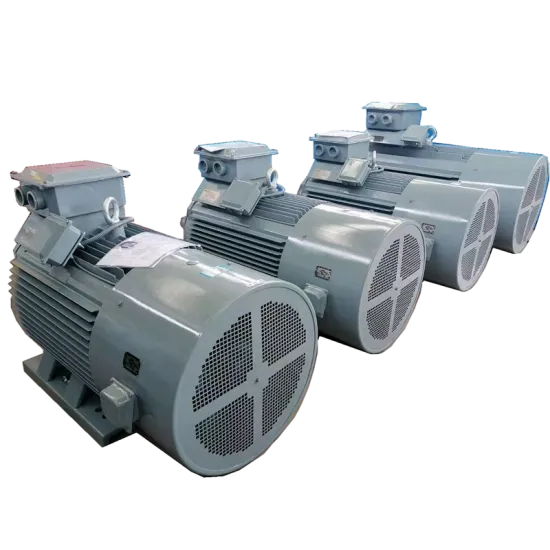
Low voltage motors are widely used in industrial equipment, commercial systems, and automated production lines because of their efficiency, reliability, and cost advantages. As industries continue to focus on energy savings and stable performance, the demand for low voltage electric motors is growing rapidly across global markets.
A low voltage motor generally operates below 1000V and is designed for applications that require safe, efficient, and continuous operation. These motors are commonly found in pumps, fans, compressors, conveyors, HVAC systems, and manufacturing equipment. Compared with high voltage motors, they are easier to install, maintain, and integrate into modern industrial systems.
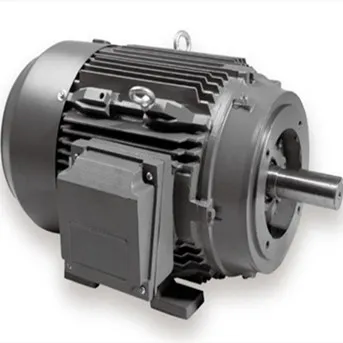
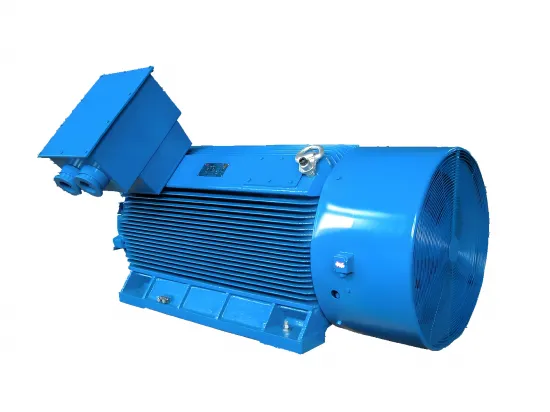
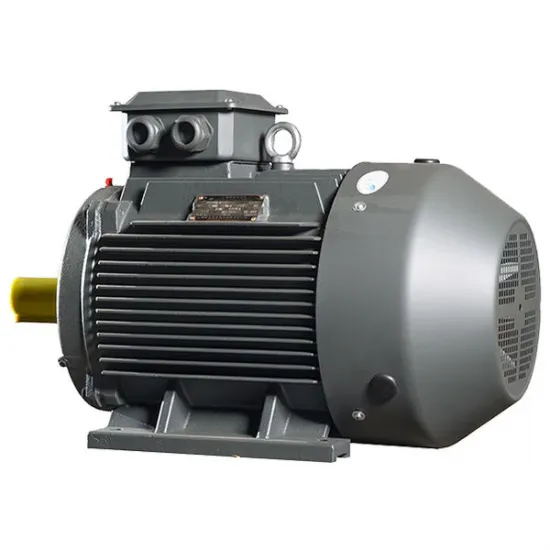
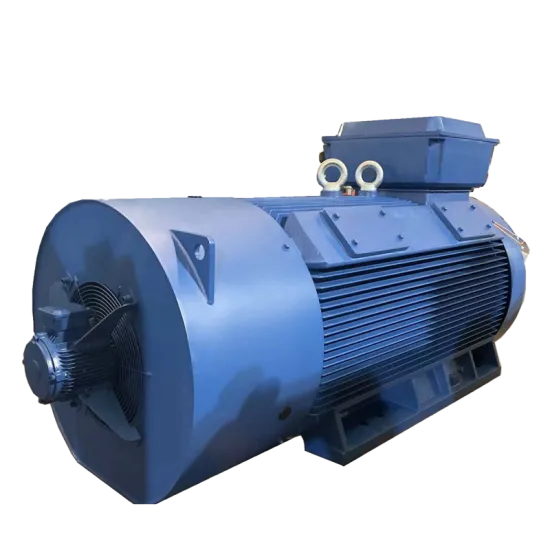
A low voltage motor is an electric motor that operates at relatively low voltage levels, usually under 1000 volts. These motors are available in different types, including AC motors, induction motors, three-phase motors, and energy-efficient motors for industrial use.
Low voltage motors are designed to provide reliable power while maintaining lower energy consumption and reduced operating costs. Because of their flexibility and stable performance, they are widely used in factories, commercial buildings, agriculture, mining, water treatment, and transportation systems.
One of the biggest advantages of a low voltage motor is energy efficiency. Modern low voltage electric motors are engineered to reduce energy loss during operation, helping businesses lower electricity consumption and operating expenses.
Energy-efficient motors can significantly improve production efficiency while supporting environmental sustainability goals. Many industries now prefer IE3 and IE4 efficiency class motors because they offer better power conversion and lower heat generation.
By reducing energy waste, a low voltage motor can help companies achieve long-term savings, especially in facilities where motors operate continuously throughout the day.
Low voltage motors are generally easier and less expensive to install compared with high voltage motors. They do not require highly complex electrical infrastructure, which helps reduce initial project investment.
Maintenance is also simpler because replacement parts are more accessible and servicing procedures are less complicated. This makes low voltage industrial motors an economical choice for many businesses.
Routine maintenance tasks such as bearing replacement, lubrication, and inspection can usually be completed quickly, minimizing equipment downtime and improving productivity.
Industrial users value stability and reliability when selecting electric motors. A high-quality low voltage motor can operate continuously under demanding conditions while maintaining stable speed and torque output.
These motors are commonly used in automated systems where uninterrupted operation is essential. Reliable motor performance helps reduce production interruptions and improves overall equipment efficiency.
Manufacturers like Changli Electric continue to develop advanced low voltage motor technologies to meet the growing demand for stable industrial performance and energy savings.
Another important benefit of a low voltage motor is its versatility. These motors are suitable for a wide variety of industrial and commercial applications.
Common applications include:
Industrial pumps
Ventilation fans
Air compressors
Conveyor systems
HVAC equipment
Water treatment systems
Agricultural machinery
Food processing equipment
Because of their flexible design, low voltage motors can be customized for different operating environments and production requirements.
Many low voltage motors feature compact structures that allow easy installation in limited spaces. Their smaller size makes them suitable for modern machinery and automated systems where space optimization is important.
Compact motor designs also simplify transportation, installation, and equipment integration. This flexibility is especially useful in manufacturing plants and commercial facilities with complex layouts.
Safety is another major reason why industries prefer low voltage electric motors. Lower operating voltage reduces electrical risks during installation, operation, and maintenance.
Although all electrical systems require proper safety procedures, low voltage systems are generally considered safer and easier to manage than high voltage systems. This helps companies improve workplace safety and reduce operational risks.
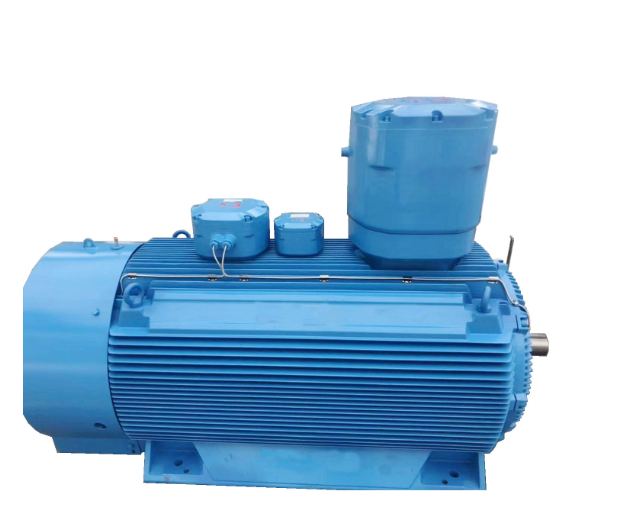
Industrial automation continues to expand worldwide, increasing the demand for efficient and intelligent motor systems. Low voltage motors play a critical role in automated production lines because they can work efficiently with variable frequency drives (VFDs) and smart control systems.
When integrated with automation equipment, low voltage motors provide precise speed control, better energy management, and smoother operation. This helps manufacturers improve productivity while reducing operational costs.
Modern factories rely heavily on automation technologies, and energy-efficient low voltage motors have become an essential component of smart manufacturing systems.
Both low voltage motors and high voltage motors are important in industrial applications, but they serve different operational needs.
| Feature | Low Voltage Motor | High Voltage Motor |
|---|---|---|
| Operating Voltage | Below 1000V | Above 1000V |
| Installation Cost | Lower | Higher |
| Maintenance | Simpler | More Complex |
| Safety | Higher | Requires stricter protection |
| Applications | General industrial use | Heavy industrial equipment |
For most standard industrial applications, low voltage motors provide an ideal balance between performance, efficiency, and cost-effectiveness.
Selecting the correct low voltage motor depends on several factors, including load requirements, operating environment, efficiency standards, and application type.
Key considerations include:
Motor power rating
Efficiency level
Speed requirements
Protection class
Cooling method
Operating temperature
Noise level
Working with experienced motor manufacturers can help businesses choose reliable solutions that match their operational needs. Changli Electric offers various low voltage motor solutions designed for industrial efficiency and long-term durability.
As industries focus more on sustainability and intelligent manufacturing, low voltage motors are becoming increasingly advanced. Future trends include higher energy efficiency standards, smart monitoring systems, and improved integration with automation technologies.
Many manufacturers are also developing environmentally friendly motor designs that reduce carbon emissions and improve overall system performance. The global demand for energy-saving low voltage motors is expected to continue growing in the coming years.
Low voltage motors offer many important benefits, including high energy efficiency, lower maintenance costs, reliable operation, compact design, and improved safety. Their wide range of industrial applications makes them one of the most practical and cost-effective motor solutions available today.
From manufacturing plants to commercial facilities, low voltage electric motors help businesses improve productivity while reducing energy consumption and operational expenses. As automation and energy efficiency become more important across industries, low voltage motors will continue to play a key role in modern industrial systems.

A low voltage motor typically operates at voltages below 1000V and is commonly used in industrial, commercial, and agricultural applications.
Low voltage motors are designed to minimize energy loss and improve power conversion efficiency, helping reduce electricity consumption and operating costs.
They are widely used in pumps, fans, compressors, conveyors, HVAC systems, and automated production equipment.
Low voltage motors operate below 1000V and are easier to install and maintain, while high voltage motors are used for larger industrial loads and require more complex systems.
You should consider factors such as motor power, efficiency level, operating environment, speed requirements, and application type when selecting a low voltage motor.