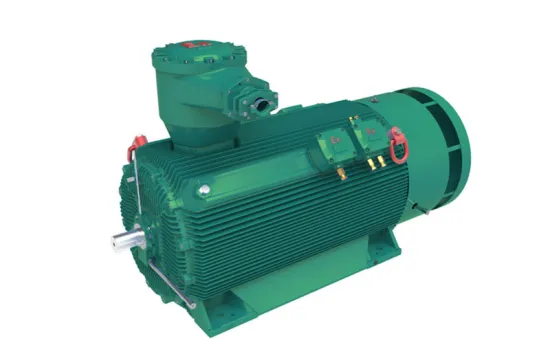
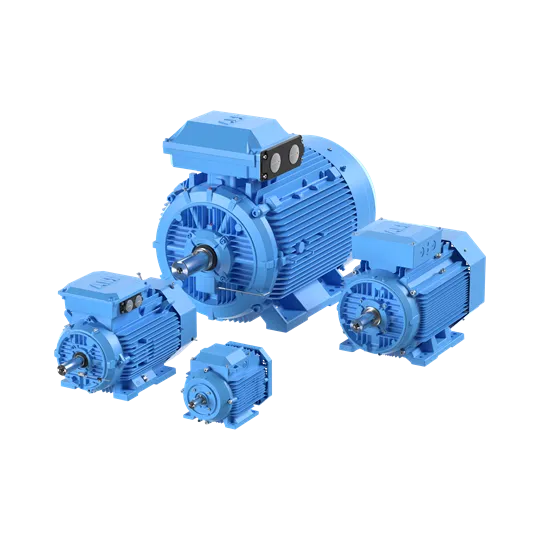
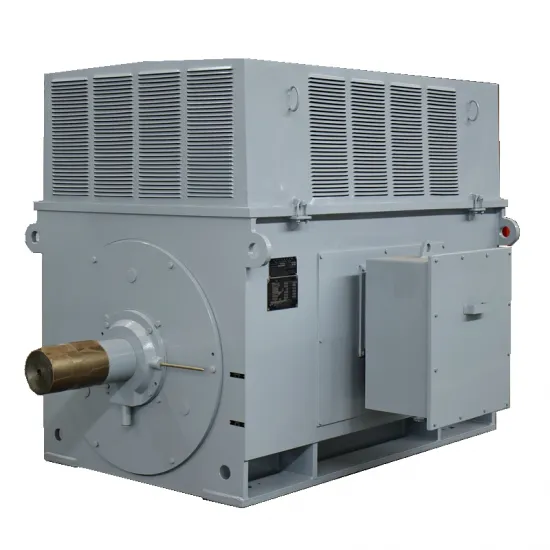
In industrial applications where controlling speed, torque, and starting current is essential, a wound rotor motor often becomes the preferred choice. Unlike the more common squirrel cage induction motors, wound rotor motors offer flexibility, efficiency, and precise control, making them ideal for heavy-duty machinery, conveyors, cranes, and pumps. In this guide, we’ll explore what a wound rotor motor is, its working principle, advantages, types, and why it remains a cornerstone in modern industrial operations.
A wound rotor motor, also known as a slip ring induction motor, is a type of AC motor where the rotor windings are connected to external resistances via slip rings. This design allows operators to adjust the motor’s characteristics such as starting torque and current, offering enhanced control compared to traditional squirrel cage motors.
Key components of a wound rotor motor include:
Stator: Produces a rotating magnetic field, similar to other induction motors.
Rotor Windings: Connected to slip rings, which enable the addition of external resistance.
Slip Rings and Brushes: Facilitate smooth electrical connection between rotor windings and external circuits.
This setup is particularly advantageous for applications requiring high starting torque or variable speed control.
The operation of a wound rotor motor can be broken down into three main stages:
Electromagnetic Induction:
When AC voltage is applied to the stator, a rotating magnetic field is generated. This field induces current in the rotor windings.
Current Control via External Resistance:
Unlike squirrel cage motors, the rotor current flows through external resistances connected via slip rings. By adjusting this resistance, operators can control the motor’s starting current and torque.
Synchronous Speed Approach:
As the rotor accelerates, the slip decreases, gradually reducing the effect of the external resistance until the motor reaches its operating speed.
This ability to control starting torque and reduce electrical stress on the system makes wound rotor motors highly versatile in industrial scenarios.

Wound rotor motors can produce much higher starting torque than standard squirrel cage motors. This makes them ideal for applications such as:
Crushers and mills in mining
Heavy-duty conveyors
Large pumps and fans
The external resistance allows a controlled ramp-up of current, minimizing electrical stress on the power supply. This prevents voltage dips and reduces the risk of equipment damage.
By adjusting the resistance in the rotor circuit, operators can vary the motor speed efficiently without needing complex drive systems. This is particularly useful in:
Material handling systems
Industrial mixers
Hoists and cranes
Wound rotor motors provide precise torque control and smoother operation, which is crucial for sensitive or heavy-load applications. With proper maintenance, these motors can achieve long operational life with consistent performance.
Wound rotor motors can be classified based on construction, cooling method, and application:
Double Cage Wound Rotor Motor: Offers higher efficiency at both starting and running conditions.
Single Cage Wound Rotor Motor: Simpler design with easier maintenance but lower starting torque.
Self-Cooled Motors: Use internal fans for air circulation.
Water-Cooled Motors: Suitable for high-power applications, reducing heat and maintaining performance.
Constant Load Motors: Designed for conveyors, crushers, and mills where the load is relatively stable.
Variable Load Motors: Used in hoists, cranes, and variable speed pumps where precise speed control is required.
The versatility of wound rotor motors makes them suitable for various industries:
Mining Industry
High starting torque is crucial for heavy crushers, conveyors, and mills. Wound rotor motors handle heavy loads efficiently without overloading the power system.
Material Handling Systems
Conveyors, hoists, and elevators benefit from variable speed control, ensuring smooth acceleration and deceleration.
Pumping and Fan Systems
Large water pumps, ventilation systems, and cooling towers require motors that can handle sudden load changes and maintain operational stability.
Industrial Mixers and Mills
Precise torque control ensures that high-viscosity materials are mixed consistently without stressing the motor.
Cranes and Hoists
Wound rotor motors provide smooth acceleration, deceleration, and lifting, preventing mechanical shocks and ensuring safety.
Proper maintenance ensures longevity and consistent performance:
Regular Inspection of Slip Rings and Brushes: Prevents excessive wear and electrical resistance.
Rotor Winding Checks: Identify early signs of insulation damage or overheating.
Lubrication: Bearings should be lubricated as per manufacturer recommendations.
Temperature Monitoring: Ensure that motors do not operate beyond rated temperature limits.
Following these practices helps maintain efficiency and reduces the likelihood of unplanned downtime.
| Feature | Wound Rotor Motor | Squirrel Cage Motor |
|---|---|---|
| Starting Torque | High | Moderate |
| Starting Current | Low (controlled via resistance) | High |
| Speed Control | Adjustable | Fixed |
| Applications | Heavy-duty, variable load | General-purpose, constant load |
| Cost | Higher | Lower |
Wound rotor motors are preferred where starting conditions and speed variability are critical. For simple, low-maintenance applications, squirrel cage motors may suffice.
Q1: Can a wound rotor motor run at variable speeds?
Yes, by adjusting the external resistance in the rotor circuit, you can vary the speed efficiently without additional drives.
Q2: Why choose a wound rotor motor over a squirrel cage motor?
Wound rotor motors offer high starting torque, reduced starting current, and better speed control, making them ideal for heavy-load and sensitive applications.
Q3: How often should maintenance be performed?
Inspection of slip rings, brushes, and bearings should be done every 6–12 months, depending on operational conditions.
Q4: Are wound rotor motors energy-efficient?
Yes, modern wound rotor motors, especially from reputable manufacturers like Changli Electric, are designed for efficiency and long-term reliability.
Q5: What industries rely most on wound rotor motors?
Mining, material handling, water pumping, industrial mixing, and crane operations are the primary industries.
A wound rotor motor is a powerful, flexible, and reliable solution for industrial applications requiring high starting torque, controlled current, and variable speed operation. Its unique design, featuring rotor windings connected via slip rings, provides advantages over conventional squirrel cage motors, particularly in heavy-duty and variable-load environments.
With proper maintenance and operation, wound rotor motors can deliver years of stable performance. Trusted brands like Changli Electric continue to innovate in this space, offering motors that combine durability, efficiency, and control, making them an ideal choice for modern industrial needs.
Whether you are in mining, material handling, or pumping operations, understanding the capabilities of a wound rotor motor can help you choose the right solution for your industrial machinery.