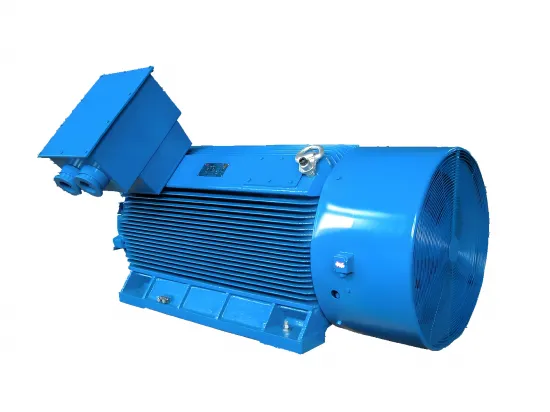
Industrial equipment relies heavily on efficient and reliable power systems to maintain stable production and reduce operational costs. Among the most widely used power solutions today, the low voltage motor has become an essential component across manufacturing plants, HVAC systems, pumps, compressors, conveyors, and automated machinery.
A low voltage motor is designed to operate below 1000V and offers excellent energy efficiency, simple maintenance, and dependable performance. Compared with other motor systems, low voltage electric motors provide a practical balance between cost, safety, and operational reliability. As industries continue to focus on energy savings and intelligent automation, the demand for industrial low voltage motors continues to grow worldwide.
In this article, we will explore the top advantages of using a low voltage motor in industrial equipment and explain why these motors remain a preferred choice for modern industrial applications.
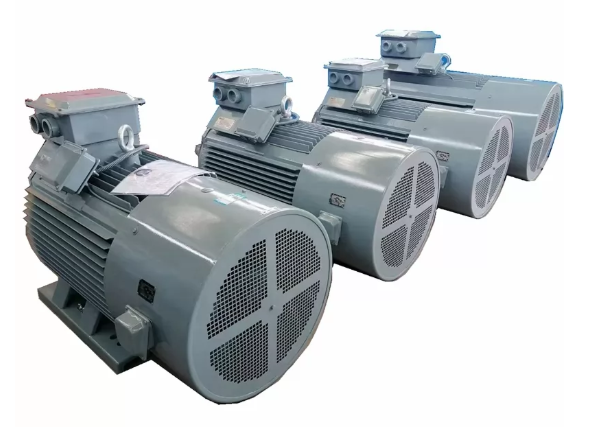
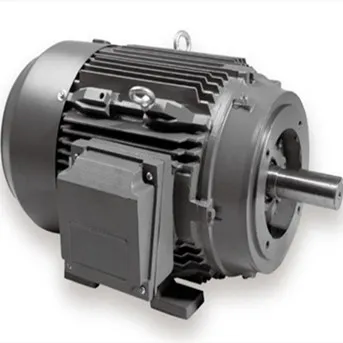
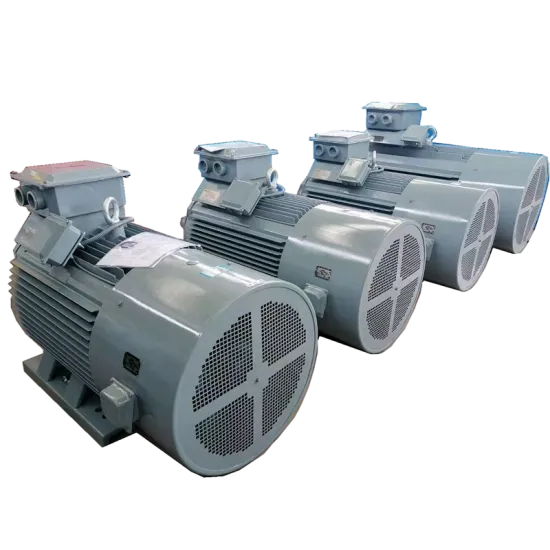
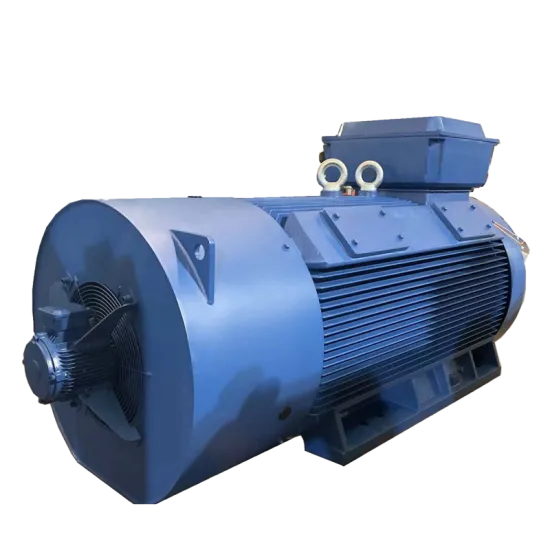
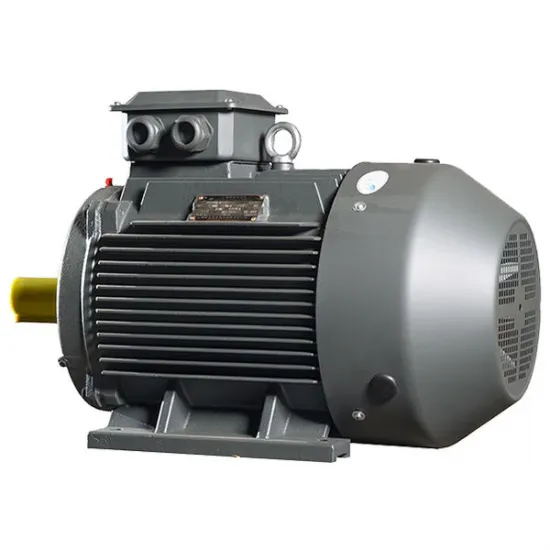
A low voltage motor is an electric motor that operates at relatively low voltage levels, typically under 1000 volts. These motors are commonly available in AC motor and three-phase motor configurations and are widely used in industrial and commercial environments.
Low voltage motors are designed for applications requiring efficient power transmission, smooth operation, and reduced energy consumption. They are suitable for continuous-duty operations and can work efficiently in demanding industrial conditions.
Industries such as manufacturing, mining, water treatment, agriculture, oil and gas, and logistics all rely on low voltage industrial motors for daily operations.
One of the biggest advantages of a low voltage motor is its high energy efficiency. Industrial facilities often operate machinery continuously, which means energy consumption directly affects operational costs.
Modern energy-efficient low voltage motors are designed to reduce electrical losses and improve overall power conversion efficiency. This helps businesses lower electricity bills while maintaining stable equipment performance.
Many industrial companies now prefer IE3 and IE4 high-efficiency motors because they provide better long-term energy savings and support environmental sustainability goals.
As global industries move toward greener manufacturing practices, low voltage electric motors play an important role in reducing carbon emissions. Efficient motor systems help factories lower their environmental impact without sacrificing productivity.
Energy-efficient low voltage motors also support compliance with international energy regulations and industrial efficiency standards.
Compared with high voltage motors, low voltage motors usually require less complicated electrical infrastructure. This significantly reduces installation costs and shortens project timelines.
Businesses can install low voltage motor systems without investing heavily in specialized electrical protection equipment or high-voltage distribution systems.
Low voltage motors are easier to integrate into industrial equipment and automated production systems. Their compact design and standardized configurations simplify installation procedures and reduce engineering complexity.
This flexibility makes low voltage motors ideal for factories that frequently upgrade or expand production lines.
Maintenance is a critical factor when selecting industrial motors. A major advantage of low voltage motors is their relatively simple maintenance process.
Routine inspections, bearing replacements, lubrication, and cleaning can often be completed quickly without extensive system shutdowns. This helps reduce downtime and maintain continuous production efficiency.
Because spare parts for low voltage motors are widely available, maintenance costs are generally lower than those associated with large high voltage motor systems.
High-quality low voltage motors are built for durability and long-term operation. With proper maintenance, these motors can deliver reliable performance for many years, even in demanding industrial environments.
Manufacturers such as Changli Electric continue to improve motor technology to enhance operational stability, energy efficiency, and equipment lifespan.
Industrial equipment requires stable and uninterrupted operation to avoid production delays and financial losses. Low voltage motors are known for their dependable performance under continuous workloads.
These motors provide consistent torque and speed control, making them suitable for applications such as conveyor systems, industrial fans, compressors, and pumps.
Reliable low voltage motor systems help businesses improve production efficiency while minimizing unexpected equipment failures.
Modern factories increasingly rely on automation and intelligent manufacturing technologies. Low voltage motors work efficiently with variable frequency drives (VFDs), automated control systems, and smart monitoring technologies.
This compatibility allows operators to optimize motor speed, improve process accuracy, and reduce unnecessary energy consumption.
Safety is always a top priority in industrial environments. Low voltage motors operate at lower voltage levels, which helps reduce electrical hazards during installation, maintenance, and daily operation.
Although proper safety procedures are always required, low voltage systems are generally easier to manage and safer compared with high voltage installations.
Energy-efficient low voltage motors generate less heat during operation. Lower operating temperatures can improve workplace safety and help protect surrounding equipment from overheating risks.
Reduced heat generation also contributes to longer motor lifespan and lower cooling requirements.
Low voltage motors are widely used across many industries because of their versatility and efficiency. Common industrial applications include:
Water pumps
Industrial ventilation systems
Air compressors
Conveyor systems
HVAC equipment
Food processing machinery
Packaging equipment
Agricultural machinery
Mining equipment
Water treatment systems
Their ability to adapt to different industrial environments makes low voltage motors one of the most practical motor solutions available today.
Another major advantage of low voltage motors is their compact structure. Many industrial facilities have limited installation space, especially in automated production lines and integrated machinery systems.
Compact low voltage motor designs allow easier installation and more flexible equipment layouts. Smaller motors also simplify transportation and reduce handling costs.
Changli Electric provides various low voltage motor solutions designed for efficient industrial integration and reliable long-term operation.
When evaluating motor systems, businesses must consider both initial investment and long-term operational costs. Low voltage motors provide excellent value because they combine affordable installation, low maintenance requirements, and high energy efficiency.
The lower total cost of ownership makes low voltage motors an attractive option for factories seeking to improve operational efficiency while controlling expenses.
For many industrial applications, low voltage electric motors deliver the ideal balance between performance, reliability, and cost-effectiveness.
The future of low voltage motor technology is closely connected to industrial automation, smart manufacturing, and energy conservation. Manufacturers are developing more intelligent motor systems equipped with real-time monitoring and predictive maintenance capabilities.
Advanced low voltage motors are also becoming more energy efficient and environmentally friendly to meet stricter global efficiency standards.
As industries continue to modernize production systems, the demand for reliable and high-efficiency low voltage motors is expected to grow steadily in the coming years.
Low voltage motors offer numerous advantages for industrial equipment, including energy efficiency, lower installation costs, reliable performance, improved safety, and easy maintenance. Their compatibility with modern automation systems and wide range of industrial applications make them an essential part of today’s manufacturing and processing industries.
By choosing high-quality low voltage motor solutions, businesses can improve productivity, reduce operational costs, and support long-term sustainable development goals. As industrial technology continues to evolve, low voltage motors will remain a key driver of efficient and reliable industrial operations.