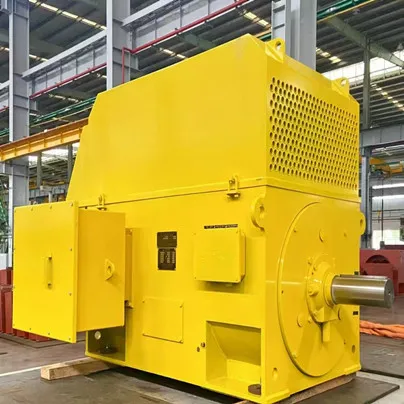
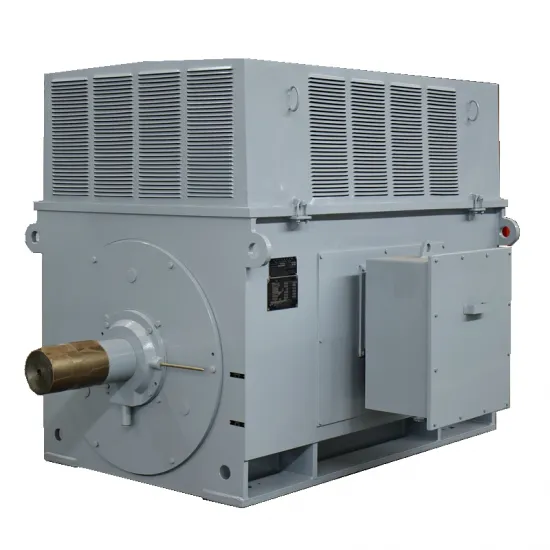
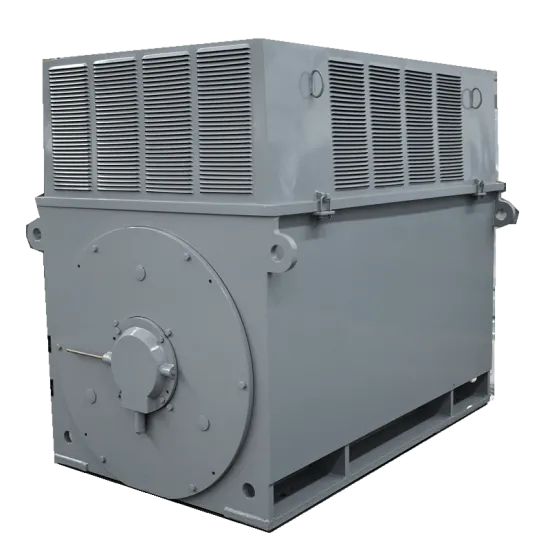
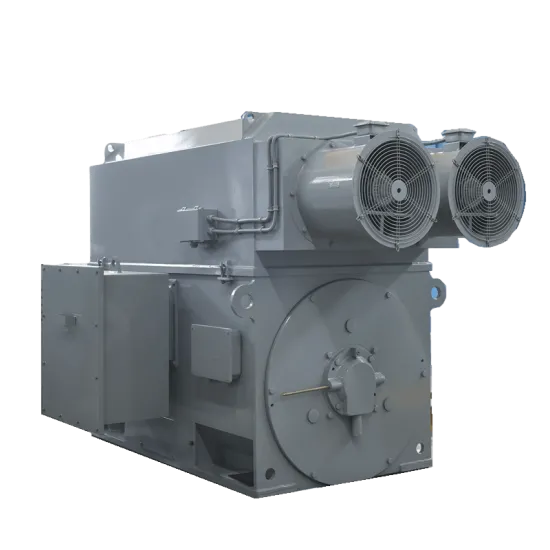
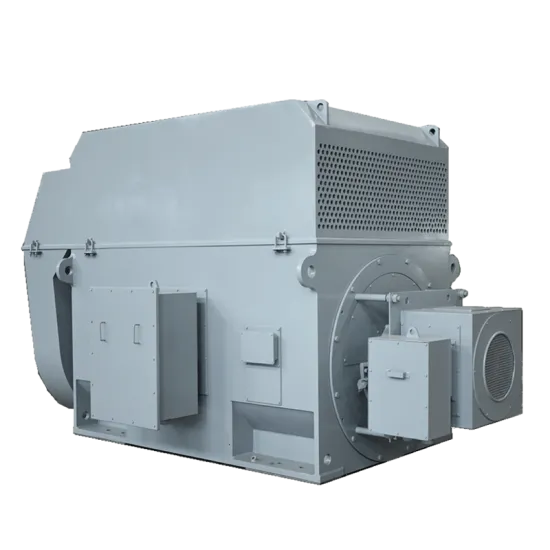
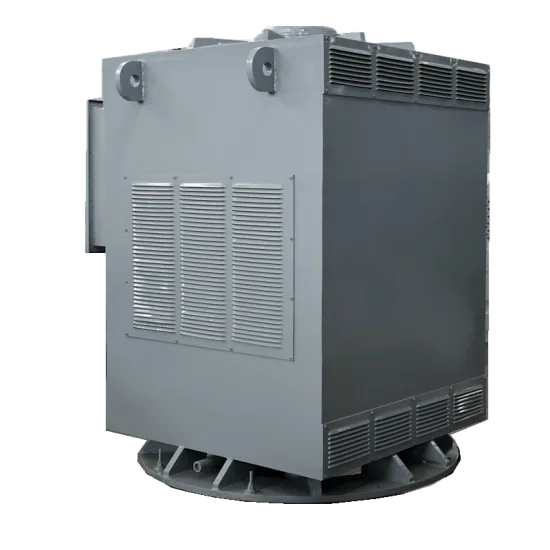
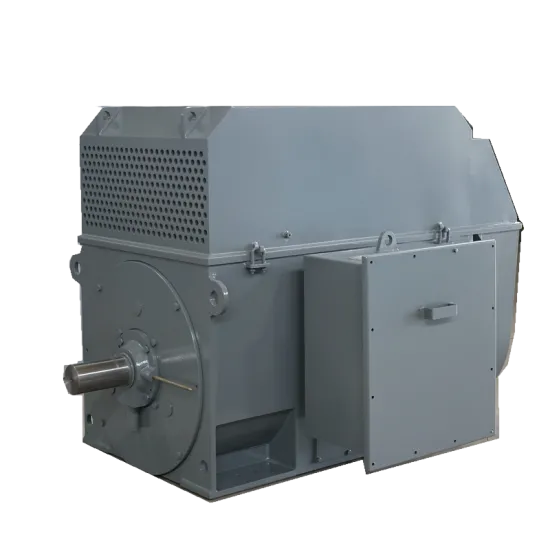
High voltage motors play a critical role in modern industrial systems. They are widely used in mining, power generation, water treatment, manufacturing, oil and gas, and heavy processing industries. Proper high voltage motor installation and troubleshooting are essential for ensuring stable operation, reducing downtime, and extending equipment lifespan.
Whether you are installing a new industrial motor or diagnosing performance issues in an existing system, understanding the correct procedures can improve efficiency and operational safety. Many industrial companies rely on reliable motor suppliers such as Changli Electric for dependable high voltage motor solutions that support demanding applications.
A high voltage motor is an electric motor designed to operate at voltages typically above 1000V. These motors are commonly used for heavy-duty industrial applications where large amounts of power are required. Compared with low voltage motors, high voltage motors offer higher efficiency, reduced current flow, and better performance in large-scale operations.
Typical applications include:
Industrial compressors
Large water pumps
Mining conveyors
Ventilation systems
Power plant equipment
Petrochemical machinery
Because of their high power capacity, proper installation and routine maintenance are essential for safe and reliable performance.
Before installing a high voltage motor, carefully inspect the equipment for shipping damage, loose parts, or moisture exposure. Check the motor shaft, bearings, cooling fan, terminal box, and insulation condition. Confirm that the motor specifications match the project requirements.
It is also important to verify:
Voltage rating
Frequency
Power output
Mounting dimensions
Protection class
Cooling method
The motor installation area should be clean, dry, and well-ventilated. Dust, humidity, and excessive heat can reduce motor performance and shorten service life. Ensure that the foundation is stable and level to prevent vibration issues during operation.
Adequate space should also be left around the motor for future inspection and maintenance work.
Before wiring the motor, inspect all cables, breakers, grounding systems, and protective devices. High voltage motor systems require professional electrical installation to avoid safety hazards and electrical faults.
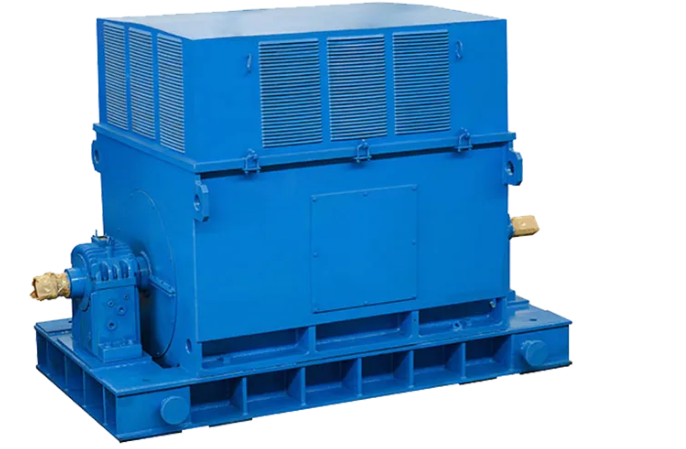
A strong and level foundation is essential for high voltage motor stability. The base should be capable of supporting the motor weight and minimizing vibration during operation.
After positioning the motor, use precision measuring tools to confirm alignment accuracy. Improper alignment may cause bearing wear, shaft damage, and excessive vibration.
Proper alignment between the motor and driven equipment is one of the most important installation steps. Misalignment can significantly reduce motor efficiency and increase maintenance costs.
There are two main types of alignment:
Angular alignment
Parallel alignment
Laser alignment tools are commonly used for achieving high precision in industrial motor installations.
Electrical wiring must follow the manufacturer's wiring diagram and local electrical standards. Ensure all cable connections are tight and properly insulated.
Pay close attention to:
Phase sequence
Grounding connection
Cable sizing
Protection relay settings
Insulation resistance testing
Improper wiring can lead to motor overheating, voltage imbalance, or startup failure.
Before startup, inspect the motor bearings and apply the recommended lubricant. Proper lubrication reduces friction and prevents premature bearing failure.
Over-greasing should also be avoided because it may cause excessive heat buildup inside the bearing housing.
After installation is complete, perform a no-load test run. Monitor:
Motor current
Operating temperature
Noise level
Vibration
Rotation direction
Any abnormal conditions should be corrected before placing the motor into full-load operation.
Motor overheating is one of the most common high voltage motor issues. Excessive heat can damage insulation, reduce efficiency, and shorten motor lifespan.
Common causes include:
Overloading
Poor ventilation
Voltage imbalance
Bearing friction
Dirty cooling systems
Solutions include reducing load conditions, cleaning ventilation passages, checking power supply stability, and replacing damaged bearings if necessary.
Abnormal vibration often indicates mechanical or alignment issues. If left unresolved, vibration can damage couplings, shafts, and bearings.
Possible causes:
Misalignment
Loose foundation bolts
Rotor imbalance
Bearing wear
Mechanical looseness
Use vibration analysis equipment to identify the root cause and perform corrective maintenance.
Insulation failure can cause short circuits and unexpected shutdowns. High humidity, contamination, and aging insulation materials are common reasons for reduced insulation resistance.
Regular insulation resistance testing helps detect problems early. Drying the motor windings and improving environmental conditions can often restore insulation performance.
A high voltage motor that fails to start may have electrical or mechanical problems.
Typical causes include:
Power supply failure
Faulty starter equipment
Incorrect wiring
Rotor locking
Protection relay activation
Technicians should inspect the control system, voltage supply, and mechanical load conditions before restarting the motor.
Unusual motor noise often indicates internal mechanical problems. Grinding sounds may point to bearing damage, while humming noises can result from electrical imbalance.
Routine inspection and preventive maintenance can help avoid severe motor damage.
Routine inspections are essential for maintaining high voltage motor reliability. Maintenance schedules should include:
Temperature monitoring
Vibration analysis
Lubrication checks
Insulation testing
Electrical connection inspection
Dust and debris can block cooling airflow and increase motor temperature. Cleaning the motor exterior and ventilation system regularly helps maintain stable operating conditions.
Continuous monitoring systems allow operators to track motor performance in real time. Parameters such as temperature, current, vibration, and voltage can provide early warning signs of potential failures.
Using high-quality spare parts improves motor reliability and operational efficiency. Reliable manufacturers such as Changli Electric provide industrial motor products designed for long-term performance and demanding industrial environments.
Correct high voltage motor installation and troubleshooting procedures directly impact operational efficiency, safety, and maintenance costs. Poor installation practices can result in repeated equipment failures, energy waste, and unplanned downtime.
By following professional installation standards and preventive maintenance programs, businesses can improve motor reliability, reduce repair expenses, and maximize equipment lifespan.
As industrial systems continue to grow in complexity, high voltage motors remain a critical component in heavy-duty operations. Investing in proper installation and troubleshooting knowledge is essential for maintaining long-term productivity.
High voltage motors are essential for powering large industrial applications efficiently and reliably. However, achieving optimal performance requires careful installation, accurate alignment, proper electrical connections, and regular maintenance.
Understanding common high voltage motor problems such as overheating, vibration, insulation failure, and startup issues can help technicians quickly identify and resolve faults before they become serious failures.
With proper installation procedures, preventive maintenance, and high-quality equipment, industrial facilities can significantly improve motor efficiency, operational safety, and long-term reliability.

A high voltage motor typically operates above 1000 volts and is used in heavy industrial applications requiring high power output.
Proper alignment reduces vibration, prevents bearing damage, improves efficiency, and extends the lifespan of the motor and connected equipment.
Common causes include overloading, poor ventilation, voltage imbalance, dirty cooling systems, and bearing problems.
Routine inspections should be performed regularly based on operating conditions, typically monthly or quarterly for industrial systems.
Insulation resistance testing helps identify moisture, contamination, or insulation deterioration that could lead to electrical failure.