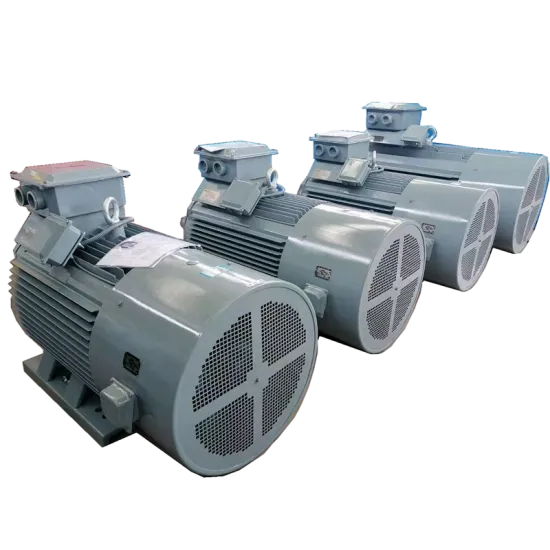
Choosing the right low voltage motor is a critical decision for any industrial or commercial application. The performance, efficiency, and reliability of your equipment largely depend on selecting the correct motor type and specifications.
Low voltage motors are widely used in industries such as manufacturing, HVAC systems, water treatment, mining, agriculture, and automation. However, selecting the best low voltage electric motor requires careful consideration of technical parameters, operating conditions, and long-term performance goals.
This guide explains how to select the best low voltage motor for your application and highlights the most important factors you should evaluate before making a decision.
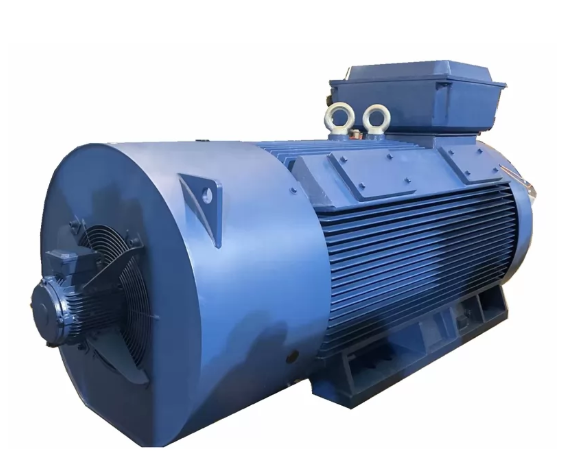
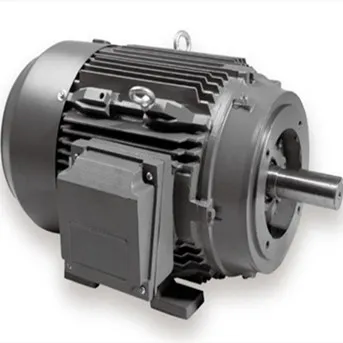
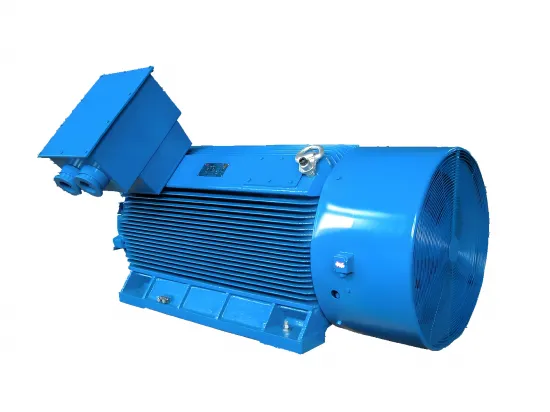
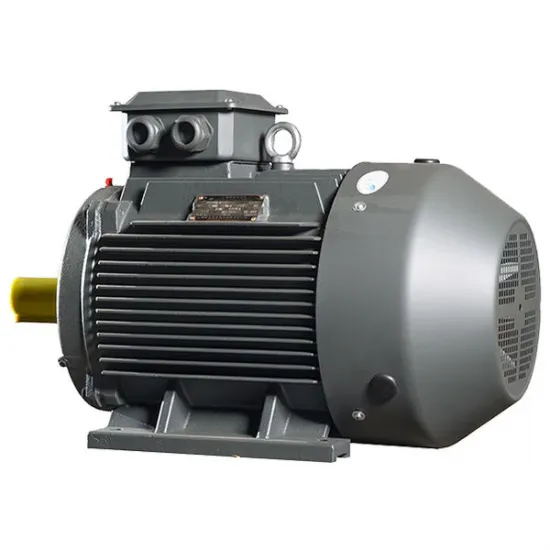
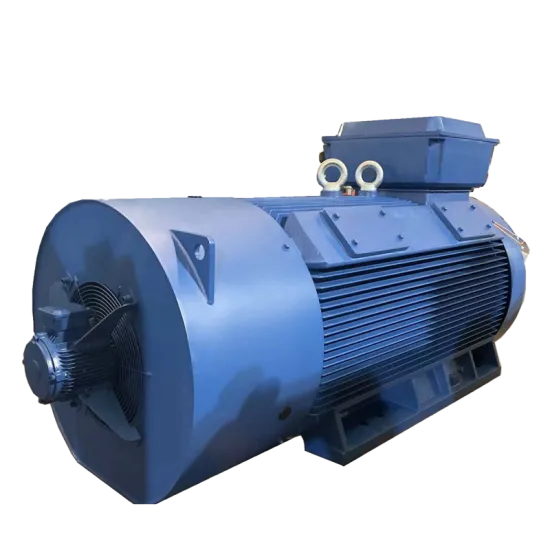
A low voltage motor is an electric motor designed to operate at voltages below 1000V. These motors are commonly used in industrial systems where stable performance, energy efficiency, and safe operation are required.
They are available in different types such as three-phase induction motors, AC motors, and energy-efficient industrial motors. Low voltage motors are suitable for continuous operation and can handle a wide range of mechanical loads.
Manufacturers like Changli Electric provide a variety of low voltage motor solutions designed for different industrial applications and performance requirements.
Selecting the correct low voltage motor directly impacts system efficiency, equipment lifespan, and operational costs. A poorly matched motor may lead to overheating, energy waste, frequent maintenance, or even system failure.
On the other hand, a properly selected industrial low voltage motor ensures stable operation, reduced energy consumption, and improved productivity.
The first step in selecting a low voltage motor is understanding the load type and load size. Different applications require different torque and power characteristics.
There are three main types of loads:
Constant load: Pumps, fans, compressors
Variable load: Conveyor systems, mixers
Impact load: Crushers, heavy machinery
Understanding load characteristics helps you choose a motor with the correct torque curve and power rating.
The power rating of a low voltage motor determines how much mechanical output it can deliver. Choosing the correct power level is essential for efficient operation.
A motor that is too small may overload and fail, while an oversized motor may waste energy and increase operational costs.
It is important to match motor power with actual load demand for optimal efficiency and performance.
Energy efficiency is a key factor in modern industrial motor selection. High-efficiency low voltage motors reduce electricity consumption and lower long-term operating costs.
Common efficiency classes include IE1, IE2, IE3, and IE4. Higher efficiency motors generate less heat and provide better performance over time.
Choosing an energy-efficient low voltage motor is especially important for applications that run continuously.
The working environment has a major impact on motor performance and lifespan. You should consider factors such as temperature, humidity, dust, and exposure to chemicals.
For harsh environments, you may need motors with higher protection ratings (IP ratings) and corrosion-resistant materials.
Selecting the right environmental protection ensures long-term reliability and reduces maintenance needs.
Different applications require different motor speeds. Some systems need constant speed, while others require variable speed control.
If speed control is necessary, you should choose a low voltage motor compatible with variable frequency drives (VFDs).
VFD-compatible motors provide better control, energy savings, and smoother operation in industrial systems.
The duty cycle defines how long and how frequently a motor operates. Continuous-duty motors are designed for 24/7 operation, while intermittent-duty motors are used for short or periodic tasks.
Choosing the correct duty cycle ensures the motor can handle workload demands without overheating or failure.
Some industrial applications require high starting torque, especially in heavy machinery. It is important to select a motor that can handle starting loads without excessive current draw.
Soft starters or VFD systems can also help reduce starting stress and improve motor lifespan.
Maintenance requirements should always be considered when selecting a low voltage motor. Motors with simple structure and widely available spare parts are easier to maintain.
Reduced maintenance needs lead to lower downtime and improved production efficiency.
Changli Electric focuses on designing motors that balance performance with easy maintenance for industrial users.
AC induction motors are the most commonly used low voltage motors in industrial applications. They are reliable, cost-effective, and suitable for continuous operation.
Three-phase low voltage motors provide stable torque and high efficiency, making them ideal for heavy-duty industrial equipment.
These motors are designed to reduce energy consumption and meet modern industrial efficiency standards.
Variable speed low voltage motors are used in applications that require flexible speed control and optimized energy usage.
Low voltage motors are used across many industries due to their versatility and efficiency. Common applications include:
Industrial pumps and water systems
HVAC systems and ventilation fans
Conveyor and packaging systems
Air compressors and refrigeration units
Mining and construction equipment
Food processing machinery
Automated production lines
Their adaptability makes low voltage motors a key component in modern industrial systems.
When selecting a low voltage motor, it is important to balance cost and performance. A cheaper motor may reduce initial investment but could lead to higher long-term maintenance and energy costs.
A high-quality motor provides better efficiency, longer service life, and lower total cost of ownership.
Investing in a reliable motor solution from trusted suppliers such as Changli Electric can significantly improve long-term operational efficiency.
The future of low voltage motor selection is moving toward smarter, more efficient, and more connected systems. Smart motors with built-in sensors can monitor performance in real time and predict maintenance needs.
Energy efficiency standards are also becoming stricter, pushing industries to adopt high-efficiency motor solutions.
Integration with IoT and automation systems will continue to enhance the performance and intelligence of industrial motor systems.
Selecting the best low voltage motor for your application requires careful evaluation of load requirements, power rating, efficiency, environment, speed control, and maintenance needs.
A well-chosen motor ensures reliable performance, reduced energy consumption, and lower operational costs. With the right selection process, industries can significantly improve productivity and system efficiency.
By working with experienced manufacturers and focusing on long-term performance, businesses can ensure their low voltage motor systems deliver consistent and efficient operation.

You should calculate the required load, torque, and power demand of your application to select the correct motor size.
Load type and power rating are the most critical factors, as they determine motor performance and efficiency.
Yes, many low voltage motors are designed for continuous-duty operation in industrial environments.
Yes, energy-efficient motors reduce electricity costs and provide better long-term performance.
Yes, many low voltage motors are compatible with variable frequency drives for speed control applications.