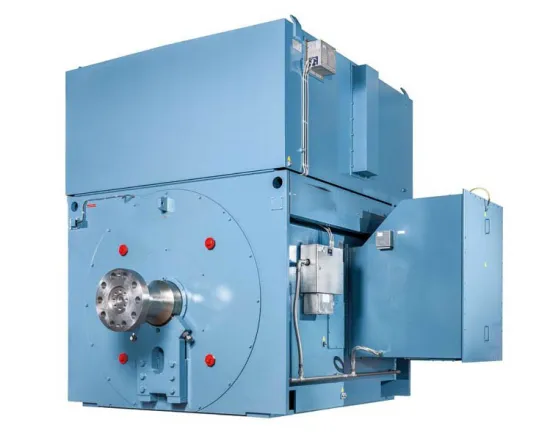
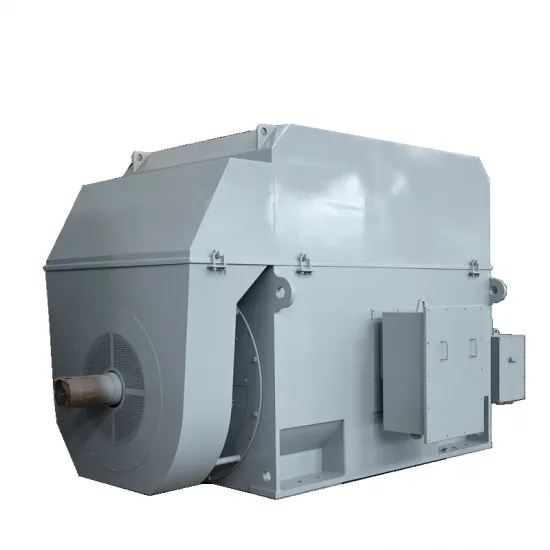
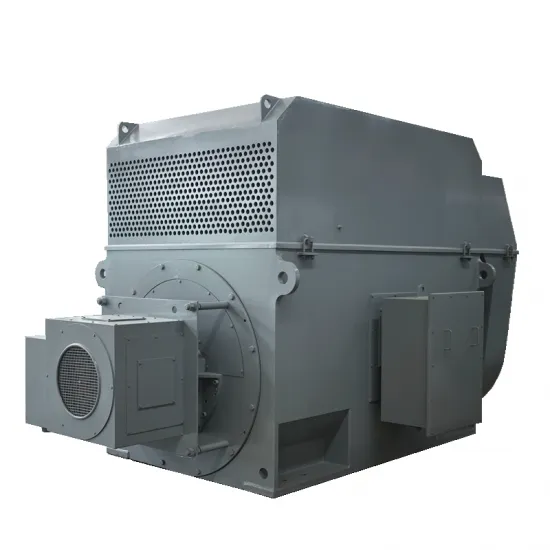
A wound rotor motor is usually selected because the driven equipment needs high starting torque, controlled acceleration, or repeated heavy-load starting. We commonly see these motors on cranes, hoists, crushers, mills, conveyors, and other equipment where a standard squirrel cage motor may struggle during startup.
From an engineer’s point of view, troubleshooting a wound rotor motor is slightly different from troubleshooting an ordinary induction motor. The stator may be perfectly healthy while the real problem is in the slip rings, carbon brushes, rotor winding, or external resistance circuit. If you are not familiar with the motor structure and rotor resistance system, you can first read our guide on What Is a Wound Rotor Motor? A Comprehensive Guide.
Below are the problems we most often recommend checking first.
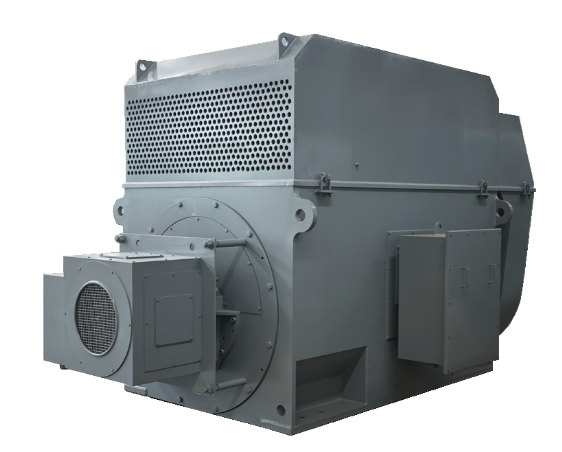
When a wound rotor motor receives power but cannot accelerate normally, do not immediately assume that the motor winding has failed.
First check the rotor resistance circuit.
During starting, external resistance is connected into the rotor circuit to increase starting torque and limit starting current. As the motor accelerates, the resistance should be reduced step by step and finally short-circuited.
Typical problems include:
One resistor stage remains open
A rotor contactor does not close
A cable between the slip ring and resistor bank is loose
One phase of the rotor circuit is interrupted
A carbon brush is not making proper contact with the slip ring
A simple comparison of the three rotor-phase currents can be very useful. If one phase is significantly different from the other two, inspect that phase before dismantling the complete motor.
For motors that start normally when unloaded but struggle with the actual machine connected, also verify the load starting torque. A crusher filled with material or a conveyor starting under excessive load can create symptoms similar to an electrical fault.
A small amount of brush activity should not be confused with heavy sparking.
If sparks become continuous, bright, or concentrated under one brush, we normally inspect the brush gear before looking deeper into the motor.
Common causes are:
Brush pressure is too low
Brushes are stuck inside the brush holders
Brush contact surface does not match the slip ring
Slip-ring surface has grooves or rough spots
Carbon dust has accumulated around the rings
Brush grade is unsuitable for the actual rotor current
Motor vibration causes unstable brush contact
New brushes should have good surface contact with the ring. Installing a flat new brush directly onto a curved slip ring often results in a very small initial contact area. Current then concentrates through this area and causes local heating and sparking.
Another mistake is simply increasing spring pressure whenever sparking appears. Excessive pressure may reduce sparking temporarily but increases brush and slip-ring wear.
Find the reason for poor contact first.
If one set of brushes lasts much less than expected, the problem is rarely solved by repeatedly replacing brushes.
Check whether all brushes are wearing at approximately the same rate.
If only one brush wears quickly, inspect:
Brush-holder alignment
Spring pressure
Brush movement inside the holder
Slip-ring surface at that position
If all brushes wear rapidly, check the overall operating condition.
Heavy carbon dust, overheating, an unsuitable brush grade, rough slip-ring surfaces, frequent starting, or keeping brushes in unnecessary contact with the rings can all shorten service life.
On wound rotor motors equipped with a brush-lifting system, the brushes may be lifted after the rotor circuit has been correctly shorted and the motor has reached normal operating condition. This reduces unnecessary mechanical wear during continuous operation.
However, the short-circuiting and brush-lifting sequence must work correctly. Never force the system into the running position without verifying the rotor circuit.
This fault is particularly important on wound rotor motors.
If the motor reaches only part of its normal speed even though the mechanical load appears reasonable, check whether the external rotor resistance has been completely removed from the circuit.
A failed contactor or resistor bypass stage can leave resistance connected during continuous operation.
The result may be:
Lower operating speed
Higher slip
Excessive heating in the resistor bank
Reduced efficiency
Unstable output torque
Also inspect the slip rings and brushes. Poor brush contact or an open connection in the rotor circuit can create similar symptoms.
If the electrical system is normal, then check mechanical load, bearing condition, supply voltage, and phase balance.
Slip rings naturally carry rotor current during starting, but abnormal temperature rise needs attention.
In the field, we normally look for discoloration, uneven brush marks, grooves, carbon deposits, or signs of local burning.
One hot area around a ring often indicates concentrated current caused by poor brush contact.
If all three rings are unusually hot, check:
Actual rotor current
Starting frequency
Acceleration time
Brush pressure
Resistor switching sequence
Mechanical overload
Frequent starting is especially important. A motor may be correctly selected for power but incorrectly selected for duty cycle. Crane and hoist motors, for example, can experience many starts and reversals within a short period.
Motor rating must therefore match both the load and the operating duty.
Not every vibration problem comes from the rotor electrically.
Before opening the motor, check the mechanical side:
Coupling alignment
Foundation bolts
Driven-machine vibration
Bearing condition
Shaft condition
For wound rotor motors, however, the brush and slip-ring assembly should also be inspected.
An uneven or out-of-round slip ring can create periodic brush movement. This may produce noise, sparking, and irregular brush wear at the same time.
A useful troubleshooting rule is this:
If vibration, brush sparking, and uneven brush wear appear together, inspect the slip-ring mechanical condition before replacing electrical components.
Motor overheating should be separated into stator heating, bearing heating, and slip-ring/rotor-circuit heating.
This distinction saves troubleshooting time.
If the stator body is overheating, check load current, voltage imbalance, cooling airflow, winding condition, and operating duty.
If the slip-ring chamber is hotter than expected, inspect brush contact and rotor current.
If the external resistor bank remains hot long after starting, verify whether the resistance stages are actually being bypassed.
Carbon dust should also not be ignored. Heavy dust accumulation around the slip-ring assembly can affect insulation condition and cooling. Cleaning the brush chamber is therefore an electrical maintenance task, not simply a housekeeping job.
Intermittent faults are often more difficult than complete failures.
When a wound rotor motor starts correctly several times and then suddenly fails to accelerate, I usually recommend checking the control sequence before testing the windings.
Look at:
Main contactor operation
Rotor resistance contactors
Timing or PLC commands
Short-circuiting mechanism
Brush-lifting limit switches, if fitted
Loose rotor-circuit terminals
A contactor with burned contacts may work when cold and fail after repeated operation. A sticking brush may also make contact during one start but not the next.
Recording current during several consecutive starts can often reveal the faulty stage.
When we inspect a wound rotor motor, the most efficient approach is usually to avoid dismantling it too early.
Start with the fault symptom, then check:
Power supply → stator current → rotor current → resistor switching → brushes → slip rings → rotor winding → mechanical load
This sequence usually finds external faults before expensive internal inspection becomes necessary.
At Changli Electric, we also recommend providing the motor nameplate data, driven-equipment type, starting frequency, load condition, rotor voltage/current, and photos of the slip-ring assembly when asking a motor manufacturer for technical support.
For wound rotor motors, these operating details are often more useful than simply saying, “The motor cannot start.”
The motor and the rotor starting system must be treated as one complete drive system. A healthy wound rotor motor cannot perform correctly with a faulty resistor bank, damaged slip rings, or an incorrect starting sequence.