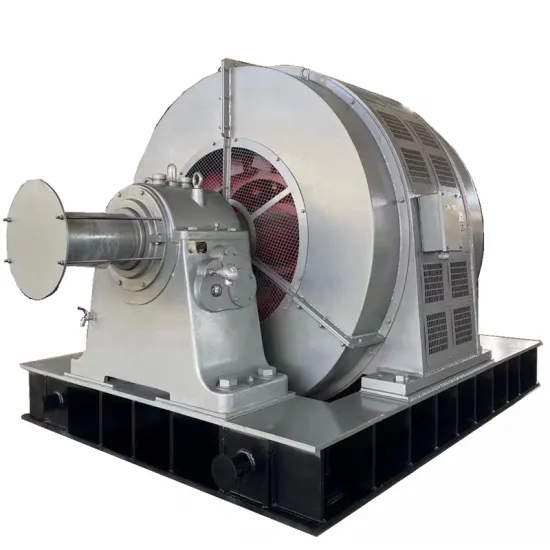
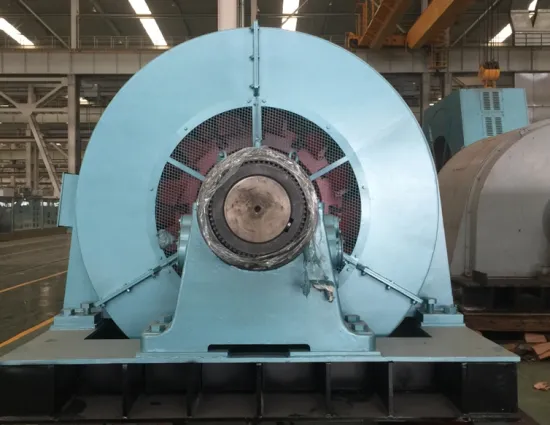
In the ever-evolving world of power generation, the selection of the right motor technology can significantly influence operational efficiency and investment returns. Power plants face several challenges, such as the need for energy-efficient solutions, reliability under heavy loads, and sustainability. The application of medium voltage motors has become a popular choice, but what exactly are the pain points when implementing this technology, and do the advantages outweigh the disadvantages? This article provides a comprehensive evaluation based on these queries, focusing on three long-tail keywords: “medium voltage motor advantages,” “disadvantages of medium voltage motors,” and “best practices for medium voltage motors.” It incorporates relevant LSI keywords like "electrical efficiency," "operation reliability," and "maintenance," along with professional terms such as "torque," "frequency drives," and "load characteristics."
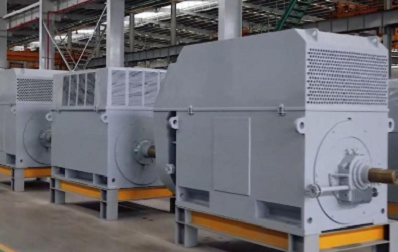
Medium voltage motors hold several competitive advantages that have been evidenced through industry data and case studies. One of the most significant benefits is their electrical efficiency; for instance, medium voltage motors can attain efficiency rates up to 96%, compared to standard low voltage motors which usually top out at 90%. This enhanced efficiency translates to a reduction in energy costs—up to 15% savings annually for large-scale operations.
Additionally, medium voltage motors typically have greater torque characteristics. For example, they can provide up to 2.5 times higher starting torque compared to low voltage alternatives, making them suitable for heavy-duty applications in power generation.
Moreover, with brands like CHANGLI ELECTRIC MOTOR, the designs are optimized for longevity; they have shown to last under high load conditions for over 20 years with minimal maintenance—less than 3% reduction in performance after 15 years of use. Power plants increasingly favor the deployment of medium voltage motors in conjunction with variable frequency drives (VFDs), enhancing the flexibility and control of the entire power generation process.
While the benefits of medium voltage motors are notable, they are not devoid of disadvantages. A key drawback is the higher upfront capital expenditure, with costs averaging 25%-30% more than low voltage motors. This initial investment can be a significant pain point for operators looking to optimize budget allocations.
Moreover, medium voltage motors often require specialized training for installation and maintenance due to their complexity. Discrepancies in maintenance capabilities may lead to potential operational downtimes, averaging at around 3-5% of total operation time during transitional phases.
To mitigate these challenges, power plants should invest in comprehensive training programs for their maintenance teams and perform regular audits to ensure best practices are followed.
Considering the pros and cons, the decision to purchase medium voltage motors hinges on the specific requirements and financial situation of the power plant. For facilities focused on maximizing energy efficiency and minimizing operational costs in the long run, the investment is often justified. According to a recent industry survey, 70% of power plants reported a return on investment within the first three years post-installation.
For instance, a mid-sized power plant that switched to medium voltage motors experienced a boost in production efficiency by approximately 22%, directly correlating with a notable increase in revenue. Furthermore, it is advisable for large-scale operations dealing with significant loads to utilize medium voltage solutions.
Medium voltage motors are highly effective for power plants that prioritize energy efficiency and can accommodate initial capital investments. They are best suited for operators involved in generating heavy stationary power loads, such as water treatment facilities or industrial manufacturing plants. However, organizations must also weigh their ability to support specialized training and maintenance requirements.
What is the efficiency of medium voltage motors?
Medium voltage motors can achieve efficiency rates of up to 96%, significantly improving energy savings compared to traditional low voltage motors.
Why are medium voltage motors more expensive?
They incur higher production and installation costs, averaging 25%-30% more than low voltage motors, but offer greater longevity and efficiency.
How often should medium voltage motors be maintained?
Regular maintenance should be conducted at least annually, with further checks based on operational load. Performance typically remains stable for 15 years with proper care.