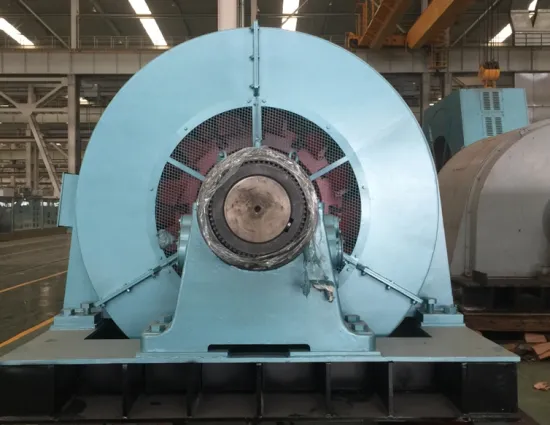
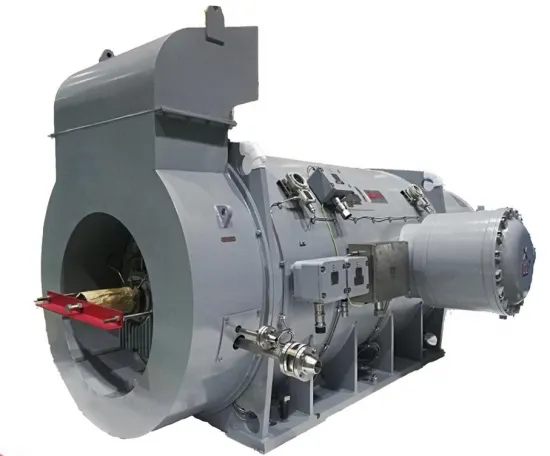
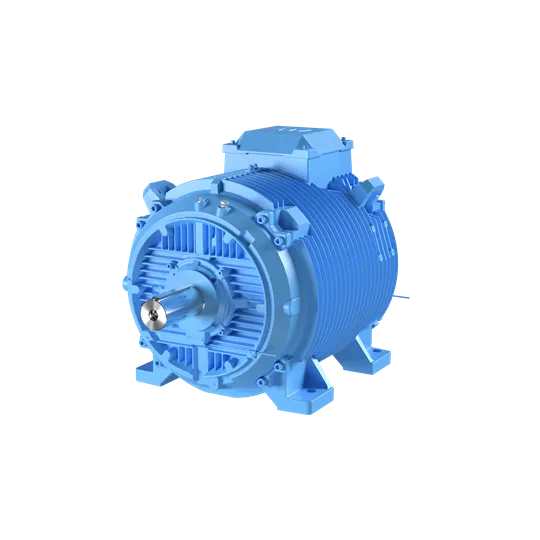
Choosing the appropriate low voltage motor is essential to ensure compatibility with your application. A motor that isn’t suited for its intended use may lead to operational inefficiencies, such as overheating or premature failure.
Considerations for selecting the right motor include load requirements, environment (indoor or outdoor), and specific voltage and current ratings. If you're dealing with a continuously varying load, a motor with a higher starting torque might be necessary, like the CHANGLI ELECTRIC MOTOR's various options.
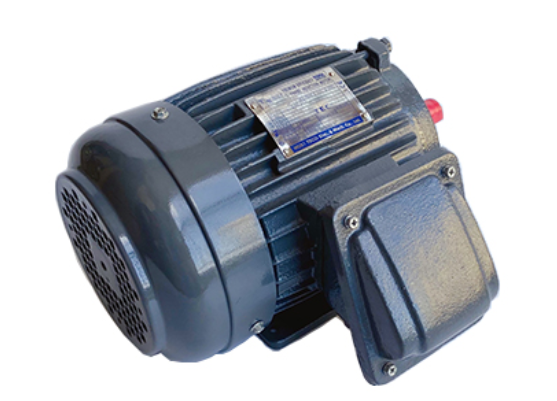
Proper wiring is vital for a successful low voltage motor installation. Incorrect connections can lead to electrical faults that compromise safety and performance.
To ensure reliability, use wire gauges that comply with the National Electric Code (NEC). For most low voltage applications, a minimum of 18 AWG wire is recommended for connections up to 10 amps. Ensure all connections are secure and use appropriate terminal blocks for easy maintenance. Consult the manufacturer's specifications for detailed wiring diagrams to follow.
Grounding your low voltage motor is necessary to protect personnel and equipment from electrical shocks and faults.
Connect the motor's grounding terminal to a proper ground point in your electrical system. Utilizing a copper grounding rod driven into damp soil can mitigate issues related to corrosion and increase conductivity. Be sure to check the grounding connections periodically for integrity and compliance with the local electrical codes.
Stability of your motor installation relies on using appropriate mounting hardware and techniques. An unstable motor can lead to vibrations, noise, and eventual mechanical failure.
Use vibration-dampening mounts to minimize noise and secure the motor using bolts and brackets suitable for the motor's weight and application. Regularly inspect mounting conditions for wear or displacement to maintain operational effectiveness.
Working conditions greatly affect motor performance. Factors like temperature and humidity can impact not just the motor but also its electrical components.
If your installation is outside or in high humidity, consider using a motor with a protective enclosure or additional anti-corrosion treatments to prolong its lifespan. For every 10°C increase in temperature, motor insulation lifespan can decrease significantly, sometimes by up to 50%.
After installation, thorough testing is critical to ensure all components function as expected.
Utilize insulation resistance testers to check the motor's windings and connections for faults. Perform voltage and current checks during operation to confirm the motor runs at optimal levels. A regular maintenance schedule that includes these tests can prevent unexpected failures and improve overall efficiency.
To successfully install low voltage motors, focus on selecting the right motor for your application, ensuring proper wiring and connections, implementing effective grounding techniques, using quality mounting hardware, adjusting for environmental conditions, and conducting comprehensive post-installation testing. These best practices will enhance performance and reliability.
1. What type of wiring is best for low voltage motors?
18 AWG wire is commonly used for connections up to 10 amps. Refer to the manufacturer's specifications for exact requirements.
2. How often should I inspect my motor installation?
It is recommended to conduct visual inspections quarterly and perform comprehensive testing biannually to ensure optimal performance.
3. Is grounding really necessary for low voltage motors?
Yes, proper grounding is essential for safety and to prevent electrical faults. It protects both the equipment and personnel.