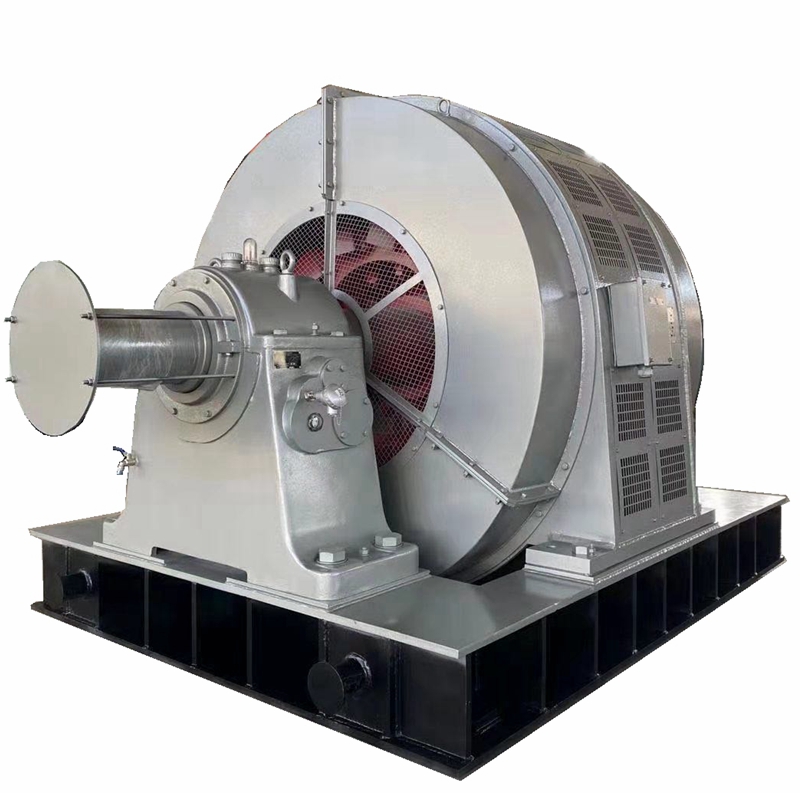
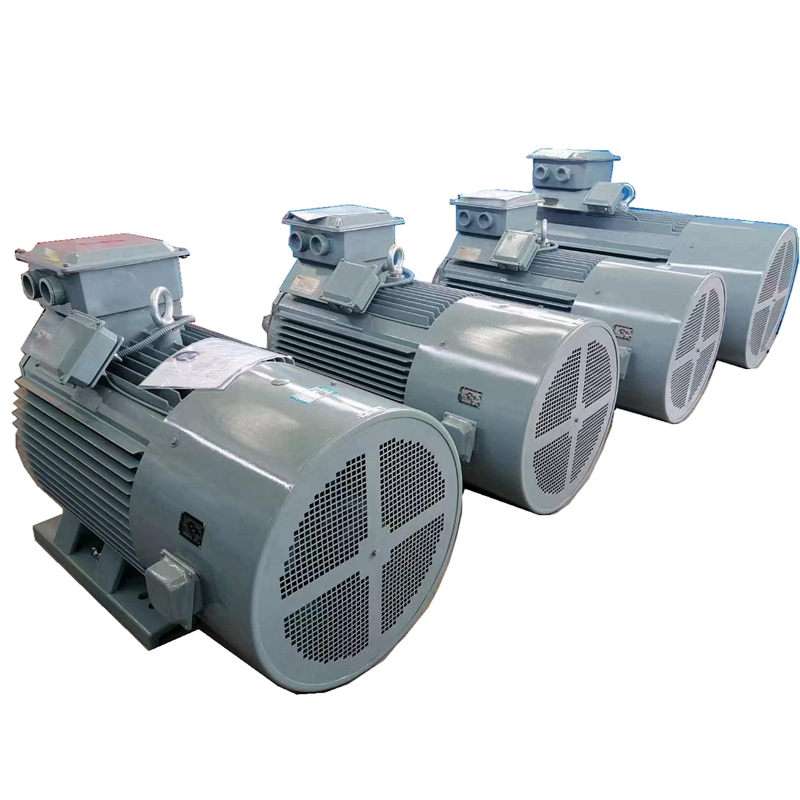
Synchronous Motors can develop starting failures, overheating, abnormal vibration, high current, poor power factor, winding faults, excitation problems, and loss of synchronism. In my experience, the fastest way to identify the cause is to connect each symptom with a measurable test and a specific corrective action. This guide explains how Synchronous Motors work, how to test them safely, and how CHANGLI ELECTRIC MOTOR equipment should be evaluated during maintenance planning.
!
A synchronous motor uses a three-phase stator winding to create a rotating magnetic field. The rotor receives direct-current field excitation or uses permanent magnets, allowing it to lock to the rotating field at synchronous speed. Unlike an induction motor, the rotor does not normally develop starting torque from slip alone, so many industrial synchronous motors use amortisseur windings, pony motors, variable-frequency drives, or other starting systems.
The operating condition depends on the interaction between stator voltage, stator current, excitation current, mechanical load, rotor position, and cooling performance. A fault in any one of these areas can produce similar symptoms, such as high current or overheating. I therefore avoid replacing parts based only on a single alarm and instead confirm the electrical, mechanical, and operational evidence.
The most common synchronous motor problems include failure to start, overheating, excessive current, low power factor, abnormal vibration, winding insulation deterioration, bearing damage, field excitation failure, rotor defects, and loss of synchronism. The first response should be to make the equipment safe, record the operating conditions, and compare actual readings with the motor nameplate and protection settings.
| Symptom | Likely causes | First tests | Corrective action |
|---|---|---|---|
| Motor does not start | Incorrect connections, failed starting system, protection trip, blocked load | Supply voltage, control circuit, starter or drive status, shaft condition | Correct wiring, repair starting equipment, clear the mechanical obstruction |
| High stator current | Overload, low voltage, voltage imbalance, shorted turns, weak excitation | Phase voltage, phase current, winding resistance, load torque | Correct supply or load problems and repair winding or excitation faults |
| Overheating | Overload, blocked ventilation, bearing friction, winding fault, excessive excitation | RTD readings, current, airflow, bearing temperature, resistance tests | Reduce load, restore cooling, repair bearings, or rewind damaged windings |
| Abnormal vibration | Misalignment, rotor imbalance, worn bearings, loose foundation | Vibration spectrum, alignment, soft-foot and foundation checks | Align shafts, balance rotor, tighten structure, or replace bearings |
| Poor power factor | Insufficient or incorrect field excitation, unstable control system | Field current, reactive power, excitation regulator output | Adjust excitation within rated limits and repair the field system |
| Loss of synchronism | Excessive load, weak excitation, rotor fault, voltage disturbance | Load trend, field current, protection records, rotor tests | Remove overload, restore excitation, inspect rotor and starting windings |
Before testing, I apply lockout/tagout, verify isolation with an approved meter, and discharge stored electrical energy. Field circuits require special care because inductive components can retain energy after the main supply is disconnected. I also confirm that the rotor cannot turn unexpectedly and that any space heaters, capacitors, braking systems, and automatic restart controls are isolated.
I begin with a visual inspection before opening test terminals. I look for loose cables, burned insulation, carbon tracking, oil contamination, blocked air passages, damaged terminal boxes, overheated bearings, water ingress, and signs of rotor-to-stator contact. I record the motor nameplate data, recent alarms, operating load, starting method, temperature history, vibration trend, and the exact time the problem appeared.
When a synchronous motor is not starting, I first determine whether the motor receives a start command and whether the main contactor, breaker, starter, or drive completes its sequence. I then verify phase-to-phase and phase-to-ground voltage at the motor terminals, inspect phase order, and compare the readings with the nameplate voltage. A missing phase, incorrect connection, undervoltage condition, or protection interlock can prevent starting without any internal motor defect.
The starting mechanism must be checked separately from the stator. Damaged amortisseur windings, an open rotor circuit, a failed pony motor, incorrect variable-frequency-drive settings, or a defective field application sequence can prevent the rotor from accelerating or synchronizing. If the shaft turns freely but the motor stalls before synchronization, I inspect the starting system, field application timing, excitation regulator, and load torque rather than immediately testing only the stator.
A mechanically locked pump, compressor, fan, or gearbox can create the same symptom. With the motor isolated, I check shaft rotation, coupling condition, brake release, gearbox oil condition, and driven-equipment resistance according to the site procedure. Corrective action may include repairing the starter, restoring control power, reducing starting load, correcting phase connections, or sending the rotor to a specialist repair center when amortisseur or field winding damage is suspected.
The main synchronous motor overheating causes are excessive load, poor ventilation, unbalanced supply voltage, bearing friction, stator winding faults, rotor losses, and incorrect excitation. I compare stator current in all three phases and review the temperature trend rather than relying on one temperature reading. Even when average current appears acceptable, current imbalance can produce additional heating in the windings and magnetic circuit.
I inspect air filters, cooling fans, ducts, heat exchangers, and ventilation openings for blockage. Bearing temperature should be compared with the motor’s alarm and trip settings, while lubrication condition, grease quantity, oil level, and shaft alignment should be checked mechanically. Excessive field current can also increase rotor heating, so I compare field current and voltage with the excitation system settings and the motor’s rated values.
Electrical testing should include winding resistance comparison, insulation resistance, polarization index where applicable, and surge or impedance testing when a qualified specialist is available. A polarization index below the plant’s acceptance limit, a significant phase resistance difference, or evidence of partial discharge requires investigation before the motor returns to service. Corrective actions include restoring airflow, correcting the load, repairing bearings, drying or rewinding the stator, and correcting the excitation regulator.
For synchronous motor vibration troubleshooting, I first identify whether the vibration is radial, axial, or present at both the motor and driven machine. Misalignment, rotor imbalance, worn bearings, loose hold-down bolts, soft foot, foundation movement, and coupling damage are common causes. The vibration pattern should be recorded at the drive end, non-drive end, and driven equipment so the source is not misidentified.
A vibration analyzer can show running-speed components, harmonics, bearing frequencies, electrical frequency components, and sidebands. A dominant running-speed peak often supports an imbalance or alignment investigation, while bearing-frequency patterns, high-frequency acceleration, or increasing axial vibration can indicate bearing or coupling problems. I also compare measurements with the applicable ISO 20816 evaluation method and the motor manufacturer’s alarm limits rather than using a universal pass-or-fail value for every machine.
The corrective sequence normally includes tightening the foundation, checking soft foot, verifying shaft alignment, inspecting the coupling, measuring rotor runout, and checking bearing clearance. If vibration remains after mechanical corrections, I evaluate magnetic pull, stator looseness, rotor eccentricity, and electrical asymmetry. A sudden rise in vibration, contact marks, or repeated bearing failure is an escalation condition that should be handled by a specialist repair center.
Poor power factor in a synchronous motor is commonly associated with field excitation that is too low, unstable, incorrectly regulated, or unavailable. I check field voltage, field current, exciter output, regulator alarms, brushes and slip rings when fitted, and the field discharge circuit. The motor may still rotate while drawing abnormal reactive power, so power factor and reactive current trends are important diagnostic evidence.
Loss of synchronism occurs when the rotor can no longer remain locked to the stator’s rotating magnetic field. Excessive mechanical load, a sudden voltage disturbance, insufficient excitation, rotor winding defects, damaged amortisseur windings, or unstable control settings can contribute to the event. Protection records should be reviewed for out-of-step, under-excitation, overcurrent, undervoltage, and field-loss indications before attempting another start.
Synchronous-specific faults must be separated from generic motor faults. A loose terminal or worn bearing can affect many motor types, but pull-out, field excitation failure, amortisseur winding damage, and loss of synchronism require tests directed at the rotor and excitation system. Repeated synchronism failures should not be corrected by simply increasing excitation, because excessive field current can create additional rotor heating and insulation stress.
I use a staged electrical testing process, beginning with non-invasive checks and moving toward de-energized tests. Supply voltage, current balance, phase sequence, power factor, field current, and protection records provide useful information without dismantling the motor. If these readings point toward an internal problem, I proceed with resistance, insulation, and specialized winding tests under an approved maintenance procedure.
Stator winding resistance should be measured phase by phase with suitable low-resistance equipment, allowing for temperature correction where required. Insulation resistance testing should use a voltage appropriate for the winding rating and insulation condition, with the test duration and temperature recorded. The result should be compared with historical data, not just one minimum value, because a downward trend can identify deterioration before a complete ground fault occurs.
Rotor testing may include field winding resistance, insulation resistance to ground, pole-to-pole comparison, impedance analysis, and inspection of amortisseur connections. Specialized tests such as surge comparison, core-loss testing, growler testing, or partial-discharge assessment should be performed by trained personnel with equipment suited to the motor rating. If test results conflict, I stop further energization and request an engineering review rather than repeating high-voltage tests without a defined purpose.
I use the following sequence to reduce unnecessary disassembly and prevent unsafe testing:
This sequence also creates a useful maintenance record. I include the test instrument identification, test voltage, ambient and winding temperature, measured values, acceptance criteria, and technician observations. A complete repair checklist makes it easier to compare future readings and distinguish a recurring design or operating issue from a one-time failure.
The best synchronous motor troubleshooting tools depend on the suspected fault. A calibrated multimeter and clamp meter support supply and current checks, while a low-resistance ohmmeter supports winding comparison. An insulation resistance tester is needed for insulation condition, and a vibration analyzer is appropriate for bearing, alignment, imbalance, and foundation investigations.
For larger industrial motors, I also consider power-quality analyzers, thermal cameras, field-current instruments, rotor impedance equipment, and condition-monitoring systems. CHANGLI ELECTRIC MOTOR users should match test equipment to the motor voltage, power rating, rotor design, excitation method, and site safety rules. The equipment must also be maintained and calibrated because an inaccurate meter can lead to an incorrect repair decision.
Preventive maintenance should include scheduled cleaning, cooling-system inspection, bearing lubrication control, terminal torque checks, insulation trending, vibration trending, and excitation-system verification. The inspection interval should reflect operating hours, starts per year, environmental contamination, load cycling, and the consequences of failure. Condition monitoring is especially useful for motors driving compressors, pumps, fans, mills, and other equipment where an unplanned shutdown creates secondary damage.
Common Synchronous Motor Problems and Troubleshooting Tips are most useful when they lead to a repeatable decision process rather than a list of possible failures. I begin with safety, document the symptom, verify the supply and controls, separate the motor from the load, and then test the stator, rotor, excitation system, bearings, cooling path, and foundation. This approach identifies common faults such as starting failure, overheating, high current, poor power factor, vibration, winding deterioration, and loss of synchronism while also separating synchronous-specific problems from generic motor defects.
The next practical step is to create a motor-specific troubleshooting checklist containing nameplate values, alarm and trip settings, historical insulation results, vibration limits, field-current data, and approved test procedures. If the motor repeatedly loses synchronism, shows severe vibration, fails insulation tests, or has suspected rotor damage, I recommend stopping further starts and involving a qualified synchronous-motor repair specialist. A structured record and carefully selected test tools provide the clearest path to safe repair and dependable operation.