In industrial environments where heavy loads, high starting torque, and controlled acceleration are essential, engineers often choose a specific type of electric motor. A wound-rotor induction motor is used in situations where standard squirrel-cage motors cannot deliver the required performance at startup or under fluctuating loads.
From mining conveyors to large cranes and cement mills, this motor type plays a crucial role in ensuring smooth operation, reduced mechanical stress, and enhanced system reliability. In this comprehensive guide, we explore where and why a wound-rotor induction motor is used, how it works, its key advantages, and how it compares with other motor types.
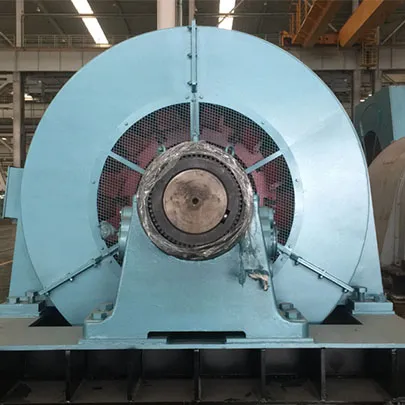
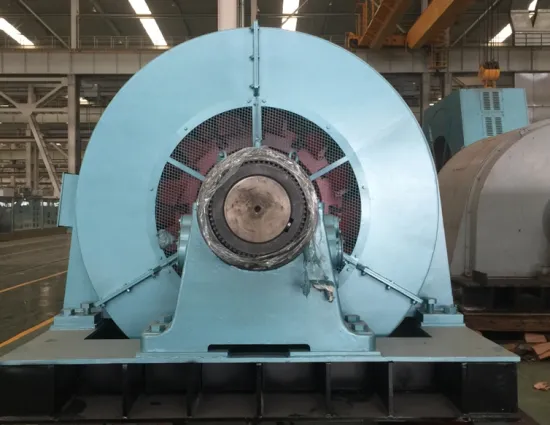
A wound-rotor induction motor, also known as a slip ring induction motor, is a type of three-phase asynchronous motor. Unlike squirrel-cage motors, its rotor contains windings connected to external resistances via slip rings and brushes.
This design allows operators to control rotor resistance during startup. As a result, the motor can produce high starting torque while limiting inrush current.
Stator (three-phase winding)
Rotor with insulated windings
Slip rings mounted on the rotor shaft
Carbon brushes
External rotor resistance bank
The inclusion of external resistance makes the wound-rotor motor highly flexible for demanding industrial applications.
The operating principle is based on electromagnetic induction. When three-phase AC power flows through the stator winding, it creates a rotating magnetic field. This magnetic field induces current in the rotor windings.
Since the rotor circuit is connected to external resistors, the starting current and torque can be adjusted. As the motor accelerates, the external resistance is gradually reduced, improving efficiency and stabilizing performance.
This staged starting method makes it ideal for heavy loads that require gradual acceleration.
A wound-rotor induction motor is used when high starting torque is necessary. Applications such as crushers, hoists, and ball mills demand strong torque at low speeds. External rotor resistance increases starting torque without excessive current draw.
Compared with direct-on-line starting of squirrel-cage motors, wound-rotor motors limit inrush current. This protects electrical infrastructure and reduces voltage dips in large industrial networks.
Gradual reduction of rotor resistance ensures controlled acceleration. This minimizes mechanical shock to gears, couplings, belts, and driven equipment.
Although not as flexible as modern variable frequency drives (VFDs), wound-rotor motors allow limited speed control by adjusting rotor resistance. This makes them suitable for processes requiring adjustable torque-speed characteristics.
Industries with fluctuating loads benefit from the torque adaptability of this motor type.
A wound-rotor induction motor is used in industries where high inertia loads and heavy startup demands are common.
Ore crushers
Conveyor systems
Grinding mills
Rotary kilns
Raw mills
Clinker grinders
Rolling mills
Heavy-duty conveyors
Cranes
Hoisting systems
Winches
Large fans
Pumps under high-load startup conditions
In such environments, reliable torque control is more critical than low initial equipment cost.
| Feature | Wound-Rotor Motor | Squirrel-Cage Motor |
|---|---|---|
| Starting Torque | High and adjustable | Moderate |
| Starting Current | Controlled | High |
| Speed Control | Limited (via rotor resistance) | Limited |
| Maintenance | Higher (brushes & slip rings) | Low |
| Cost | Higher | Lower |
| Best For | Heavy loads | General-purpose use |
While squirrel-cage motors dominate general industrial use due to simplicity and low maintenance, wound-rotor motors remain the preferred choice for high-torque applications.
Essential for lifting and material handling systems.
Smooth starting reduces wear on equipment.
Controlled current draw protects electrical systems.
External resistors allow torque-speed adjustments.
For manufacturers such as Changli Electric, optimizing rotor winding design and insulation quality significantly enhances durability and operational stability in demanding industries.
Despite its advantages, there are factors to consider:
Slip rings and brushes require periodic inspection and replacement.
The additional rotor circuit components increase manufacturing and installation expenses.
Rotor resistance dissipates energy as heat during startup.
However, in applications where operational stability outweighs maintenance concerns, these limitations are acceptable.
To ensure long service life:
Inspect slip rings regularly for wear or contamination.
Replace carbon brushes before excessive sparking occurs.
Keep rotor resistance banks well-ventilated.
Monitor vibration and temperature levels.
Schedule routine insulation resistance testing.
When properly maintained, a wound-rotor induction motor can operate reliably for decades.
Today, many industrial systems integrate wound-rotor motors with:
Soft starters
Variable frequency drives (VFD retrofits)
Automated control systems
Digital monitoring sensors
In some cases, VFD-controlled squirrel-cage motors are replacing wound-rotor motors. However, in extremely high-torque and high-inertia applications, wound-rotor designs still provide unmatched startup performance.
Manufacturers like Changli Electric continue to improve insulation materials, thermal protection, and mechanical robustness to meet modern industrial standards.
When selecting a wound-rotor induction motor, engineers evaluate:
Rated power (kW or HP)
Rated voltage
Frequency (50Hz or 60Hz)
Starting torque ratio
Rotor resistance value
Protection class (IP rating)
Cooling method (IC codes)
Insulation class
Matching these parameters with operational demands ensures optimal system efficiency.
It is used when high starting torque and reduced inrush current are required. Heavy-duty applications benefit from adjustable rotor resistance.
Yes. Although VFD technology is widespread, wound-rotor motors remain practical for extremely high-inertia loads and harsh industrial environments.
Mining, cement, steel, port handling, and power generation industries commonly use them.
The need for brush and slip ring maintenance is the primary drawback.
Yes. Many systems integrate monitoring devices and digital protection controls for improved reliability.
A wound-rotor induction motor is used in industries where high starting torque, smooth acceleration, and controlled current are essential. While it involves more maintenance than squirrel-cage motors, its performance benefits in heavy-load applications are undeniable.
From mining crushers to port cranes, this motor type delivers reliable torque control and operational stability. As industrial demands continue to evolve, manufacturers refine their designs to improve efficiency, durability, and system integration.
For organizations requiring robust solutions for demanding startup conditions, wound-rotor induction motors remain a proven and powerful choice.