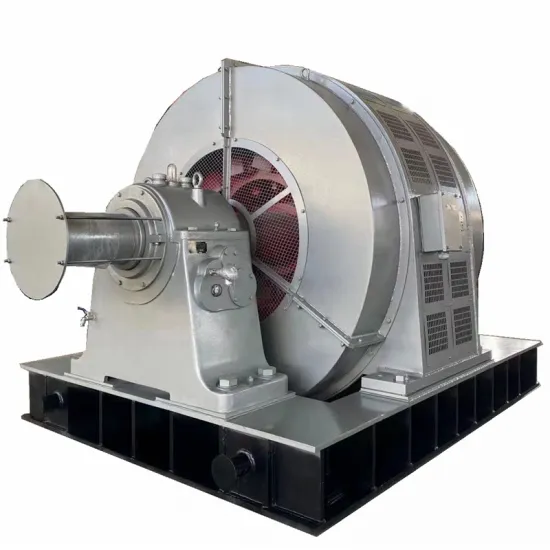
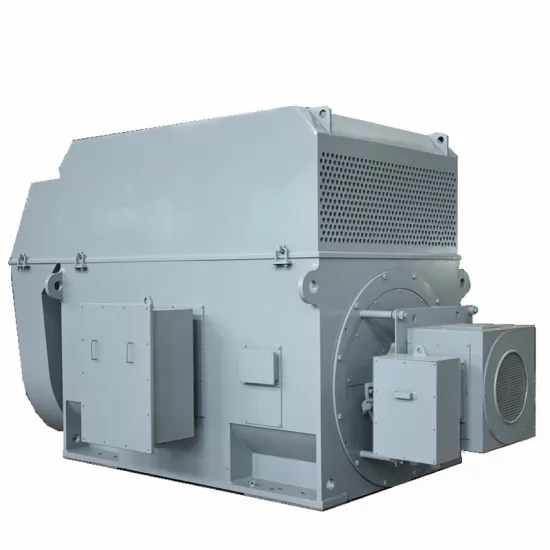
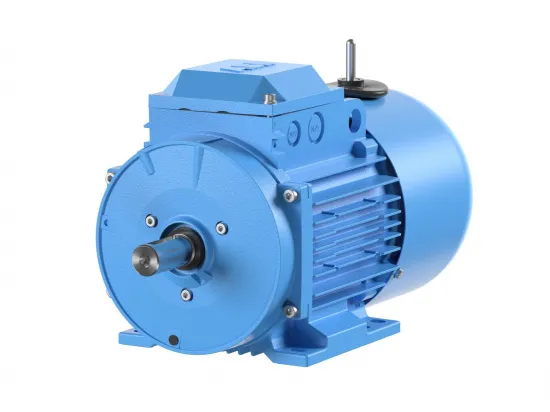
Users often encounter issues with special motors that can lead to operational inefficiencies. Common hurdles include unexpected shutdowns, overheating, and unusual noise or vibrations. Understanding the real intentions behind these problems is crucial; users want their motors to run smoothly, enhance productivity, and reduce maintenance costs. To navigate these challenges effectively, we will provide comprehensive solutions tailored to specific scenarios, helping users realize optimal performance from their motors.
Before diving into troubleshooting, gather the necessary materials and tools. Here's a comprehensive list:
Multimeter - For measuring voltage, current, and resistance.
Insulation Resistance Tester - To check insulation integrity.
Screwdriver Set - For disassembly of motor components.
Thermal Camera - Useful for detecting overheating issues.
User Manual - Specific to the CHANGLI ELECTRIC MOTOR model for reference.
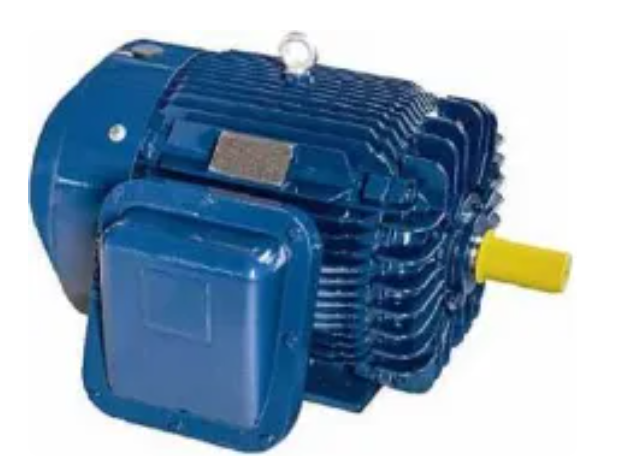
Begin with a thorough observation of the motor operations. Common symptoms include:
Motor not starting
Noisy operation
Overheating
Document these observations for further analysis.
Ensure the motor is powered down before making any physical inspections. Disconnect from the power source to avoid accidents.
Using a multimeter, check all electrical connections for continuity and voltage. A reading below 90% of the expected voltage could indicate a loose or damaged connection. This accounts for approximately 30% of motor failure cases.
Disassemble the motor using your screwdriver set. Inspect components for signs of wear or damage, such as burnt windings or loose bearings. These issues can cause vibrations or noise, reducing efficiency by up to 25%.
Using the insulation resistance tester, ensure that the motor’s windings have sufficient insulation. A resistance value below 1 MΩ is concerning and suggests further investigation or replacement is necessary.
Employ a thermal camera to identify hotspots that may indicate lubrication failure or overload. Maintaining operation temperature below 70°C is critical as exceeding this can reduce motor efficiency by roughly 15%.
Ensure that your motor is placed in a suitable environment. High humidity or dust levels can impact electrical performance, potentially leading to failures. Filters can be added to enhance performance.
After addressing the issues, reassemble your motor and conduct a test run. Verify that the motor runs smoothly without excessive noise or overheating. Document any further improvements or ongoing issues.
Even seasoned users can face pitfalls during troubleshooting. Here are a few common errors:
Skipping Preliminary Checks: Failing to check power supply can waste time. Always start with the basics.
Ignoring User Manual: Each CHANGLI ELECTRIC MOTOR comes with unique specifications that must be adhered to for optimal performance.
Not Documenting Findings: Keeping a log of issues and resolutions helps in future troubleshooting.
Troubleshooting special motors efficiently requires a methodical approach. By inspecting electrical connections, physical components, insulation, and environmental factors, you can resolve many common issues. It's advisable to review your troubleshooting steps regularly and incorporate findings into maintenance routines. Document any changes in performance metrics post-intervention to guide future actions.
If multiple critical components are damaged, or if the cost of repairs exceeds the replacement value, it may be time to consider a new CHANGLI ELECTRIC MOTOR.
Routine inspections, lubrication, and effective monitoring of operational environments can extend motor life significantly, reducing operational failures by as much as 40%.
Regular checks, ideally every six months, or when operational changes occur, can help identify problems before they escalate.